The $1.888 Million Mahjong Set, and What 'Expensive' Really Means
A one-of-one jadeite set in Singapore just reset the ceiling. Meanwhile a genuine 19th-century set might cost less than dinner. Both stories are true.
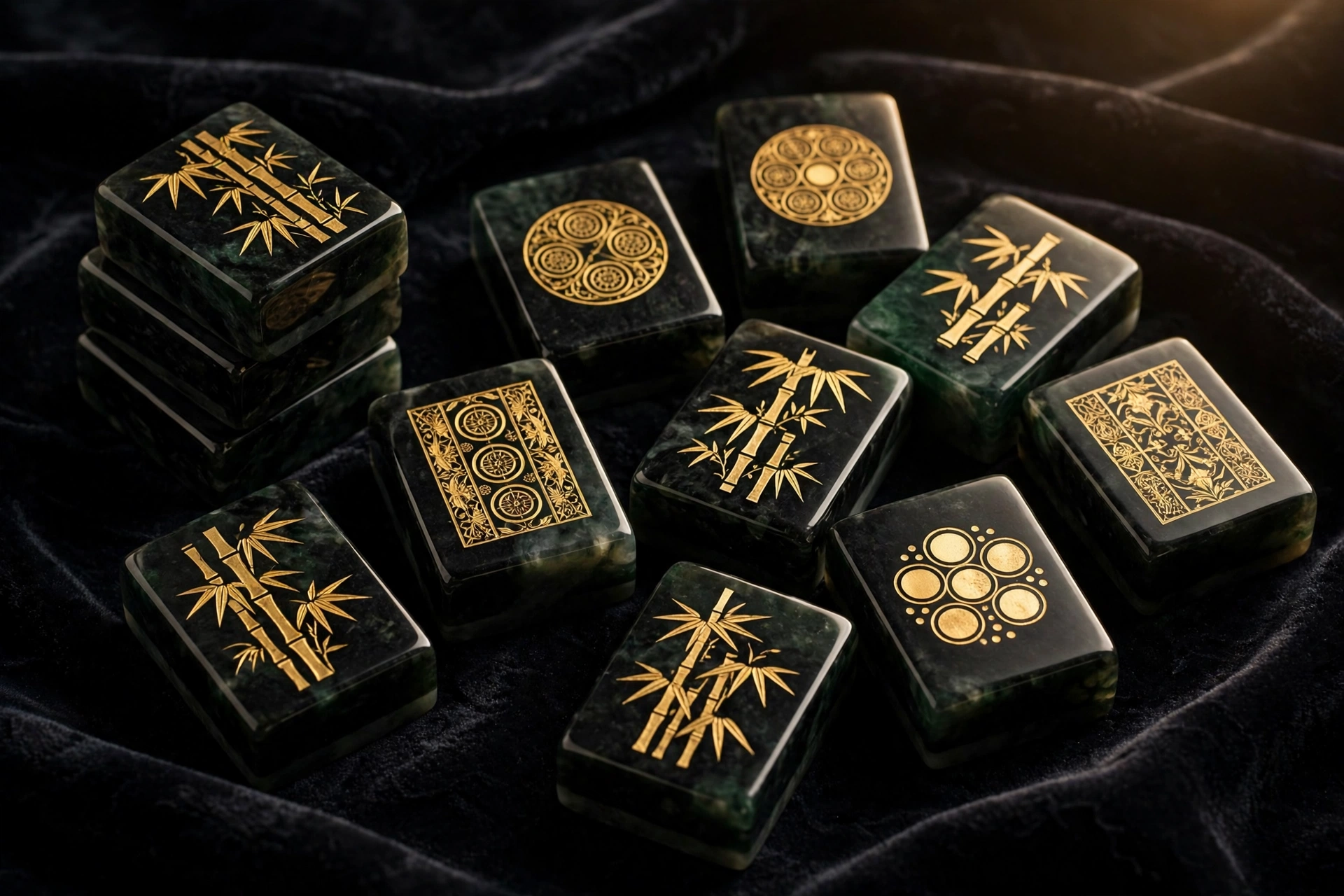
In July 2026, a Singapore feng shui consultancy called Imperial Harvest unveiled what may be the most valuable mahjong set ever created: a one-of-one bespoke set valued at US$1.888 million (about S$2.4 million), its 156 tiles sculpted from natural, untreated Burmese Grade A black jadeite, with feng shui modifications including the Four Celestial Guardians and a "Seven Star Lighting" configuration. The full proceeds of its sale are pledged to the DIPG Foundation Singapore, funding research into childhood brain cancer, which makes the number part valuation, part philanthropy and part very deliberate symbolism (1.888 is a lucky number in Chinese culture for a reason).
Valued is not sold, and sold is usually quieter
That headline comes with a distinction worth learning, because nearly every "most expensive mahjong set" claim needs it. The Imperial Harvest figure is a valuation on a unique commissioned object. Auction-verified sales of antique sets tell a calmer story: late-19th and early-20th-century bone-and-bamboo sets in wooden or leather cases routinely appear at regional auctions with estimates of £50 to £800, a fine cased example in a zitan box was estimated at $500 to $800 in the U.S., and a complete antique set sold for $225 at a 2021 charity auction. Exceptional provenance and cases push higher, but the antiques market for mahjong is, by art-world standards, gentle.
Where real money does change hands
Between the charity jadeite and the £150 auction lot sits the genuine luxury tier players actually buy: American handmade sets like Crisloid's $800 Letra, carved and finished in Rhode Island; designer tiles-only sets at $325 to $495 before you buy the racks and mat to play them; and, in Asia, boutique commissions in jade, gold and exotic woods marketed at five and six figures. In our own price-checked roundup, the most expensive set a normal human can order today is under $1,000, and it is handmade, which is rather the point.
What actually makes a set valuable
Strip away the headlines and four things set the price: material (jadeite and old ivory-substitute bone over melamine), handwork (hand-carved and hand-painted faces take days), the case (zitan and other fine hardwoods can outvalue the tiles), and completeness. A missing tile is the antique market's cruel joke: a 150-year-old set short two tiles is décor, while a complete, playable set with its counters and dice is a working piece of history. Provenance, a famous table, an unbroken chain, beats material alone.
The takeaway for buyers
Mahjong may be the only collectible where the world record is a charity sculpture, the antiques are affordable, and the sweet spot for players, heirloom quality you will actually shuffle, sits between $300 and $900. Expensive in mahjong was never really about the tiles. It is about what someone wanted the tiles to mean.
Put the story to use
See the top of the real market in Best Luxury Mahjong Sets, and learn what you are paying for in Tile Materials, Explained.
Sources and notes: Imperial Harvest unveiling, US$1.888M valuation, jadeite specification and DIPG Foundation pledge per the company's July 2026 Media OutReach release and follow-up coverage (New Fortune Times). Antique price points from published auction listings checked October 2026: McTear's, Sworders and Chiswick estimates (£50–£150 typical), Bidsquare/Capitoline zitan-box set estimate ($500–$800), BiddingForGood 2021 result ($225). Modern prices from our own live-checked product data, October 23, 2026.
More stories
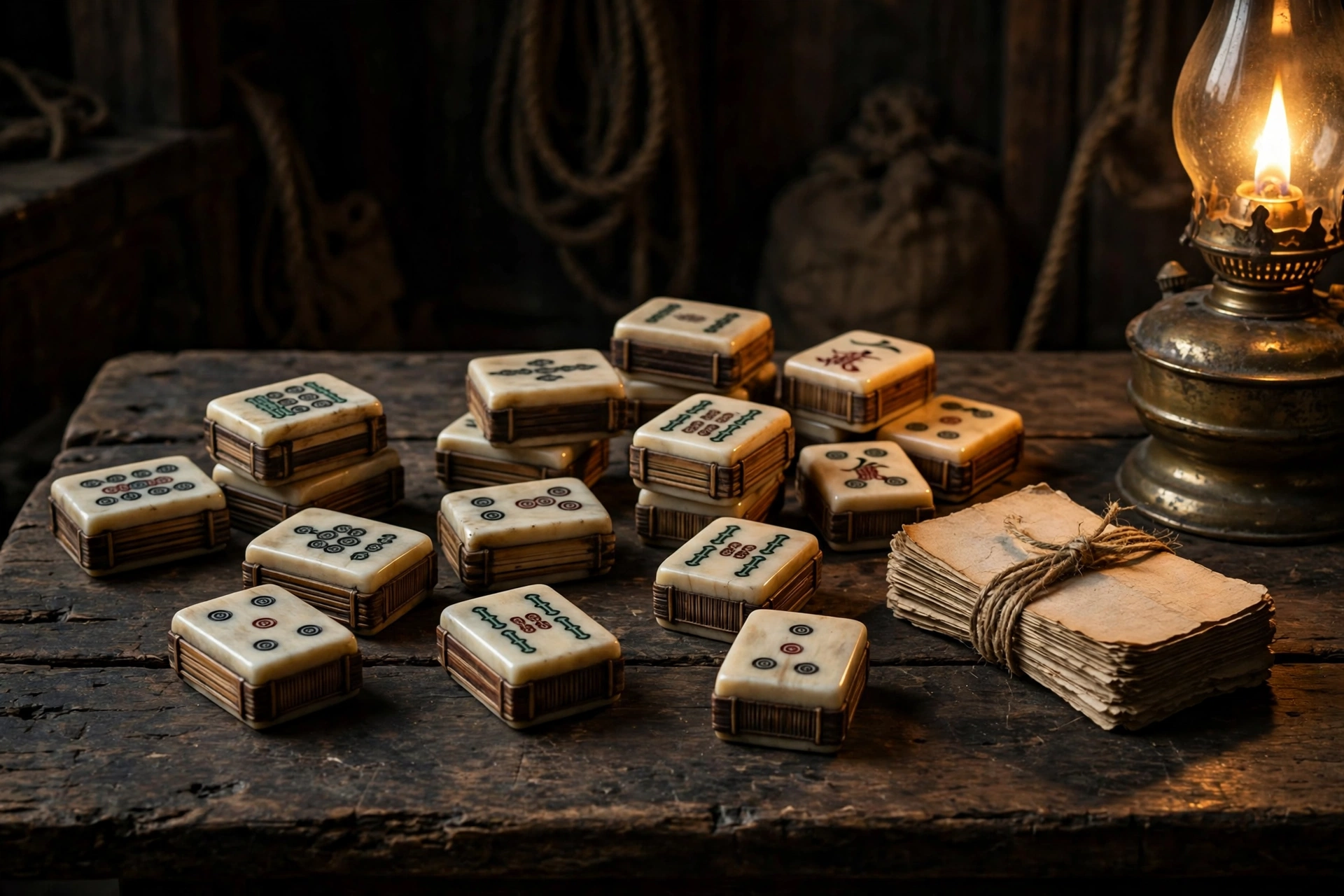
Who Invented Mahjong? Five Suspects and One Very Patient Sailor
A philosopher, a port official, two brothers, an army camp and a Shanghai noble all get the credit. The honest answer is stranger than any of them.
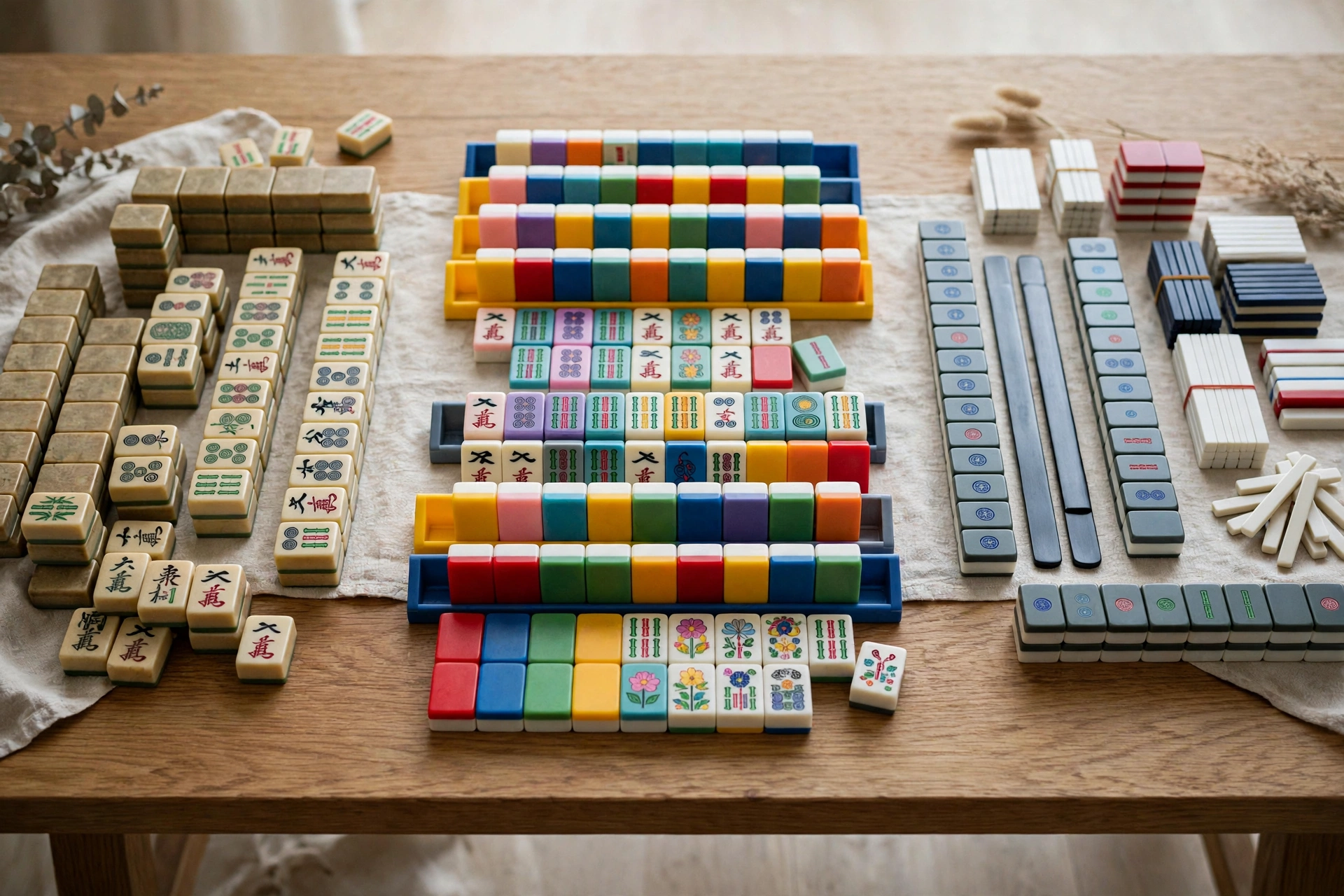
One Game, Forty Faces: How Mahjong Split Into the Styles Played Today
American jokers, Japanese dora, Taiwanese sixteen-tile hands, Singaporean animals: there was never a rulebook authority, so every port city wrote its own.
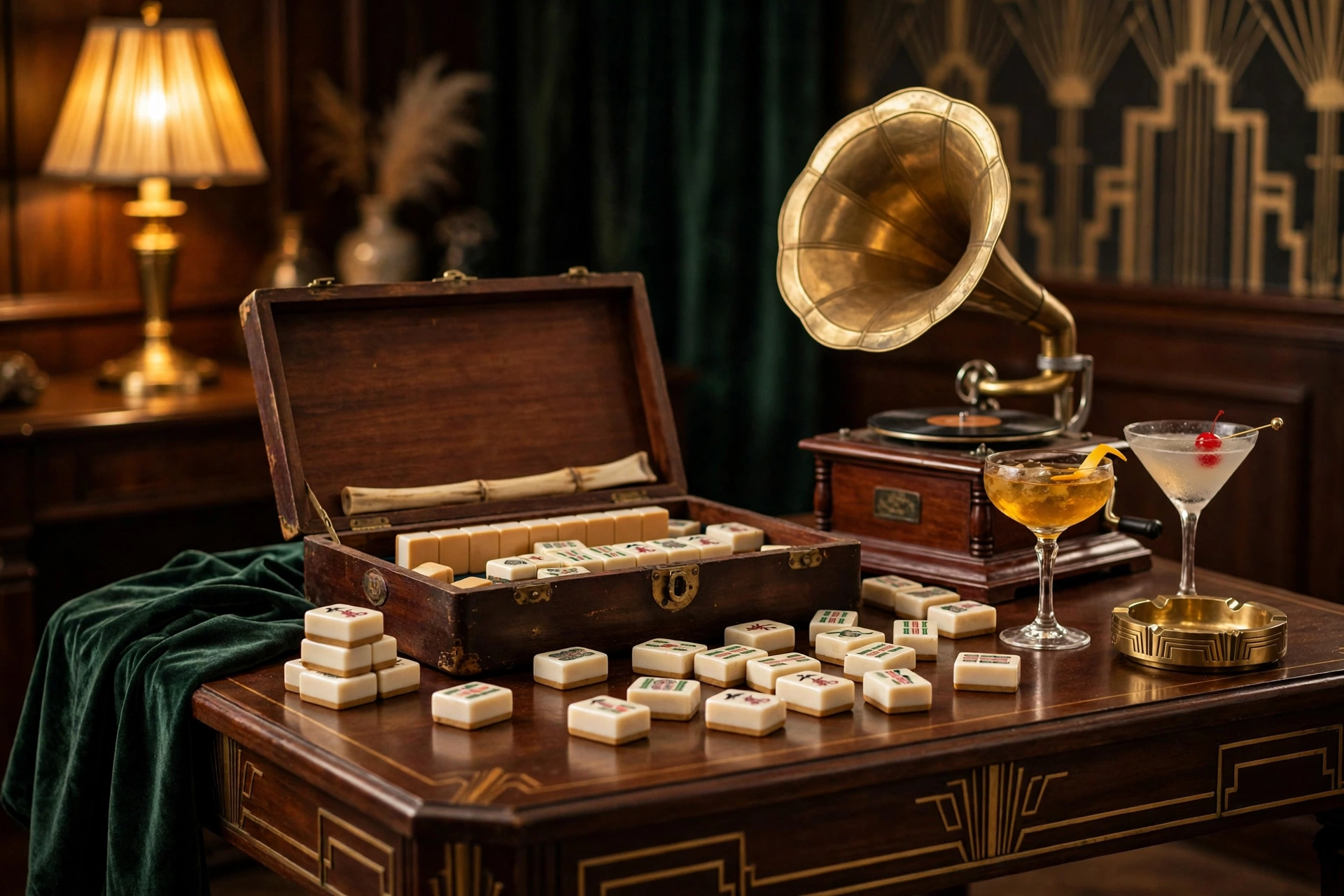
Mahjong's First Boom: America Went Mad for Tiles in the 1920s
Twelve thousand sets at Abercrombie & Fitch, cattle bone shipped to Shanghai, songs on the radio. The current mahjong boom is a rerun; the first one was wilder.
The Biggest Prize Ever Won at Mahjong (Is Smaller Than You Think)
No million-dollar mahjong payday exists. The richest verified prize in the game is about $330,000, and it went to a team of four in Tokyo. Here's why mahjong money works differently.
Mahjong for Kids: Start at Three, Play for Real by Eight
Too complex for children is the myth. Leveled properly, mahjong is a memory gym, a maths lesson and the rare game grandparents and grandkids play as equals.