Mahjong for Kids: Start at Three, Play for Real by Eight
Too complex for children is the myth. Leveled properly, mahjong is a memory gym, a maths lesson and the rare game grandparents and grandkids play as equals.
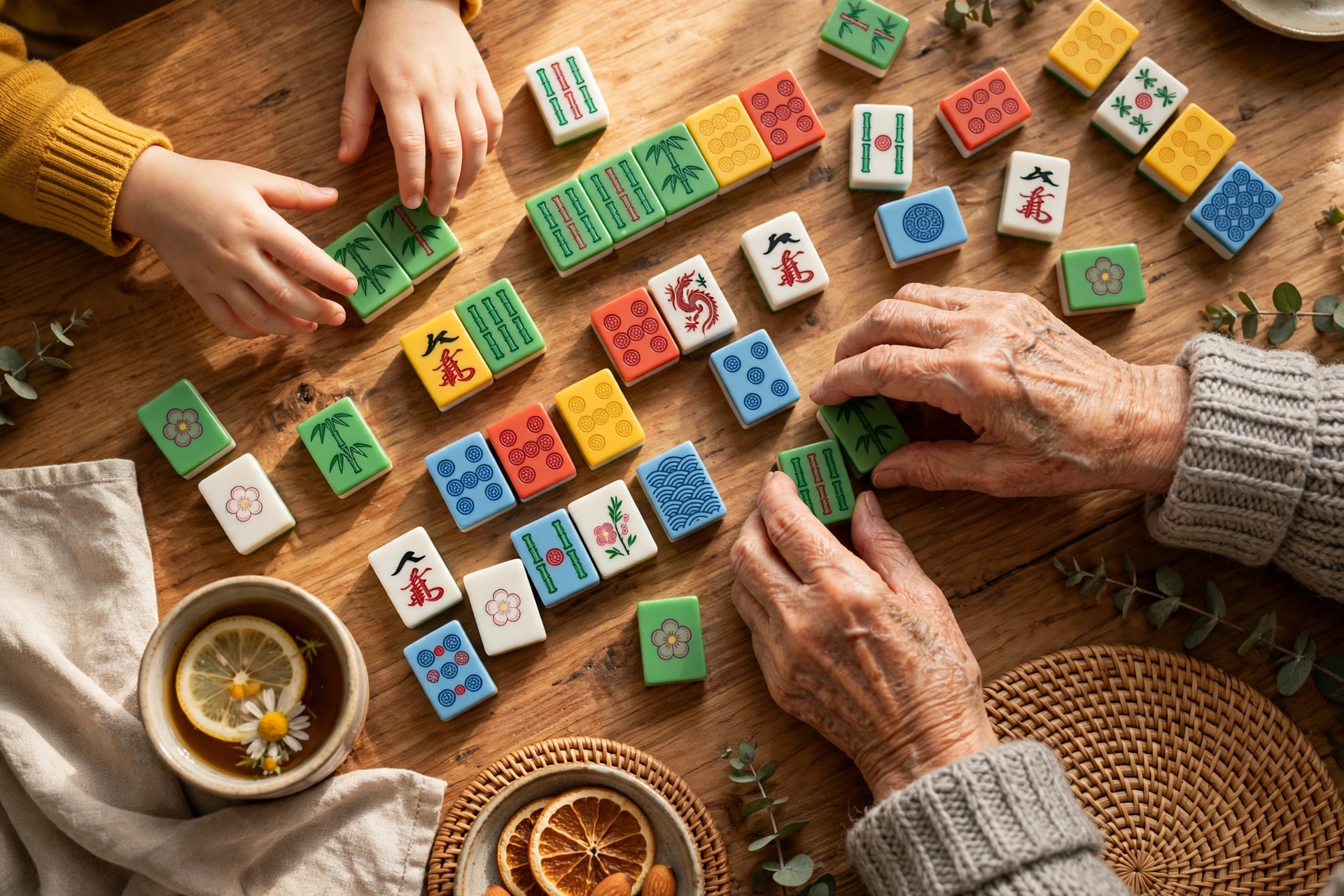
Mahjong has a reputation as a grown-ups' game: 144 tiles, four players, scoring systems with their own literature. But the reputation confuses the full game with the tiles themselves. The tiles are chunky, beautiful, satisfying to stack, and covered in patterns a three-year-old can sort. Taught in levels, mahjong turns out to be one of the best learning games a family can own, and one study of child players (Higashijima and colleagues, 2022) reported gains in processing speed and problem-solving, the kind of quiet cognitive workout parents usually have to disguise much harder.
Level one, ages 3–4: matching and memory
Forget hands and scoring. Spread twenty tiles face up and match pairs; flip them face down and it becomes a memory game with better pieces than any card deck. Children this age are learning visual discrimination, spotting the difference between a 2 Bamboo and a 3 Bamboo, which is the same skill that later separates the letters b and d, plus counting, sequencing and the fine-motor pleasure of building a small wall and knocking it down.
Level two, ages 5–6: open hands and first sets
Play with hands face-up on the table, yours included, and hunt together for pungs and chows. Two suits are plenty. Nobody discards "wrong" because everybody can see everything; the lesson is pattern-building and planning one move ahead, with an adult narrating their own thinking out loud. Sessions of fifteen to twenty minutes respect small attention spans and end while it is still fun.
Level three, ages 7–9: the real game, gently
Now close the hands, use all three suits, and add simple scoring with tokens or coins instead of money. Add the Charleston if you play American style, it is a tile-passing ritual children tend to love, and let them hold the NMJL card and find the hands on it; reading the card is a research project in itself. Most children this age can play a genuine, complete game, and will begin, alarmingly soon, to beat you fairly.
What it teaches that worksheets don't
The research and the classroom write-ups converge on the same list: memory used in real time (what has been discarded, what is still live), probability felt in the fingers (four copies exist; three are showing), turn-taking, patience, and losing gracefully to your grandmother, who is not taking it easy on you. The intergenerational part matters most. Mahjong is one of very few strategy games where an eight-year-old and an eighty-year-old meet on level ground, and where the family's oldest player is usually the shark.
Choosing a set for kids
Priorities change: you want tiles big enough for small hands, print that is bold rather than delicate, and a price that survives a lost tile philosophically. A mini travel set like the Mini Anywhere suits small hands and small tables; a budget full-size set absorbs spills and experiments without tears (yours). Save the heirloom designer set for the day they ask for it, which, if the levels work, is coming.
Put the story to use
Family-ready picks: the Mini Anywhere Set for small hands, the GUSTARIA 166 as a first full-size set, and our best beginner sets roundup.
Sources and notes: leveled teaching approach and benefit summaries from Mahjong Together (Bo & Mei) and Mini Mahjer's published guides; the 2022 Higashijima et al. finding as reported in education coverage of children's mahjong (processing speed and problem-solving); age staging reflects those published progressions. Product prices are our own live-checked data, October 23, 2026.
More stories
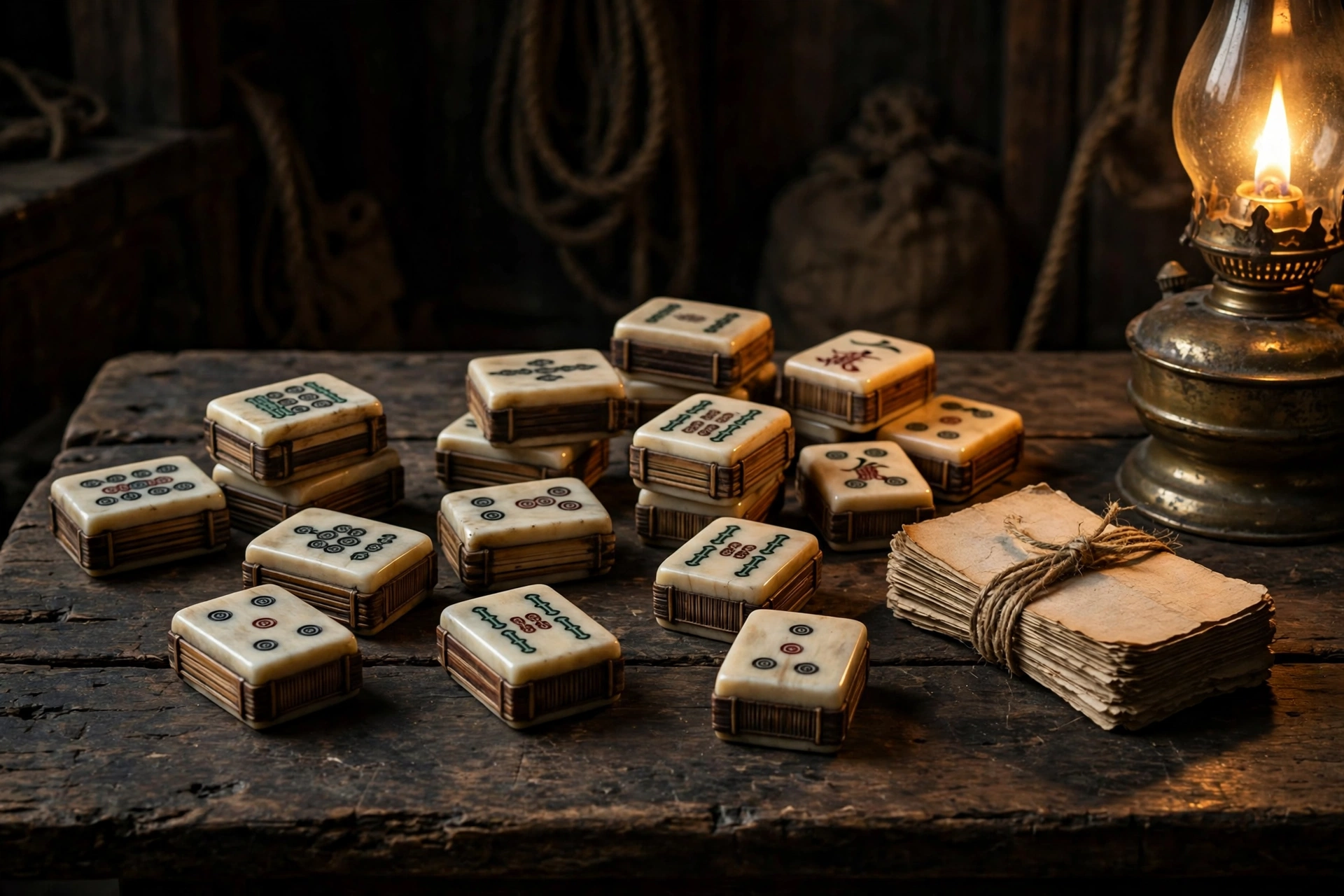
Who Invented Mahjong? Five Suspects and One Very Patient Sailor
A philosopher, a port official, two brothers, an army camp and a Shanghai noble all get the credit. The honest answer is stranger than any of them.
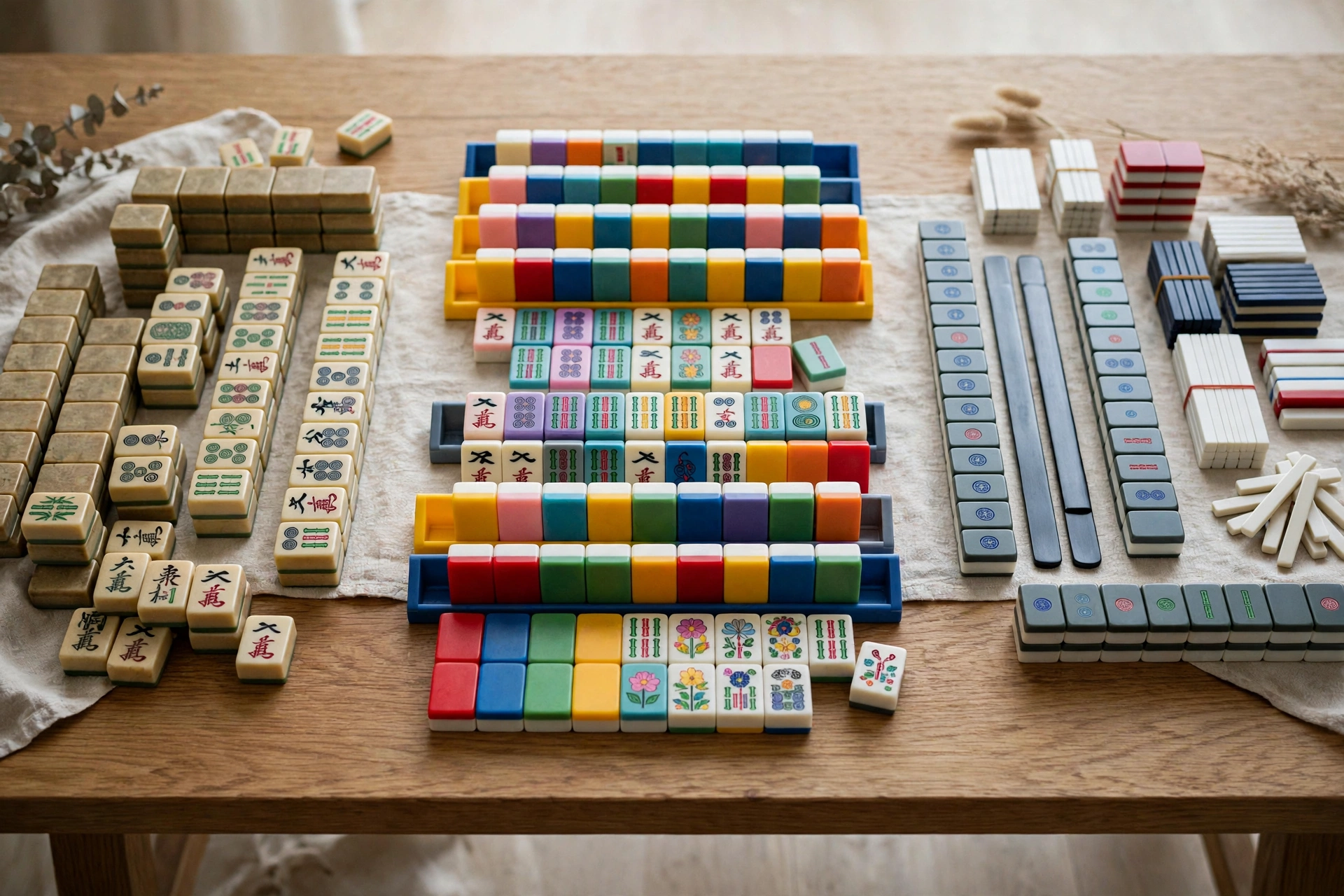
One Game, Forty Faces: How Mahjong Split Into the Styles Played Today
American jokers, Japanese dora, Taiwanese sixteen-tile hands, Singaporean animals: there was never a rulebook authority, so every port city wrote its own.
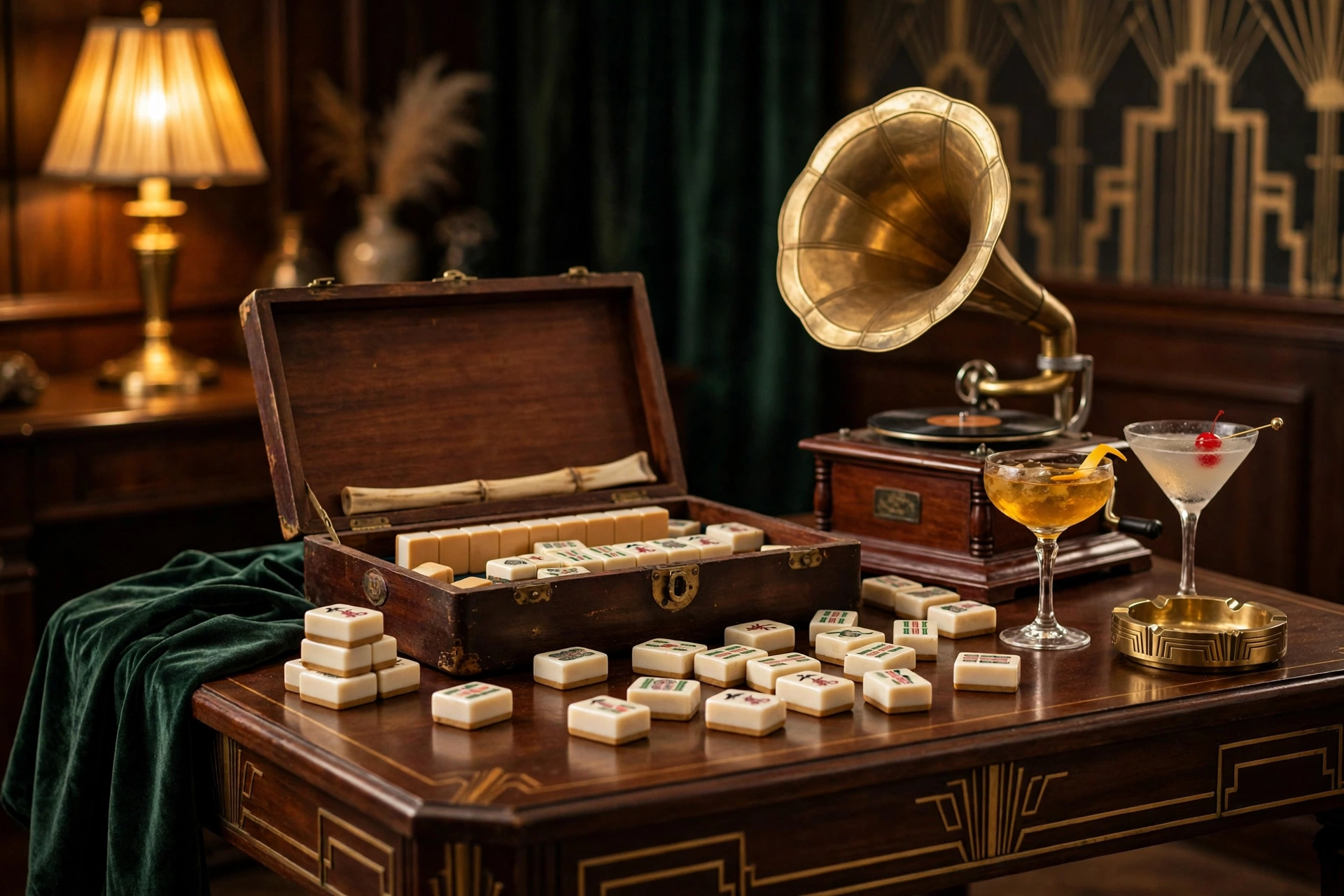
Mahjong's First Boom: America Went Mad for Tiles in the 1920s
Twelve thousand sets at Abercrombie & Fitch, cattle bone shipped to Shanghai, songs on the radio. The current mahjong boom is a rerun; the first one was wilder.
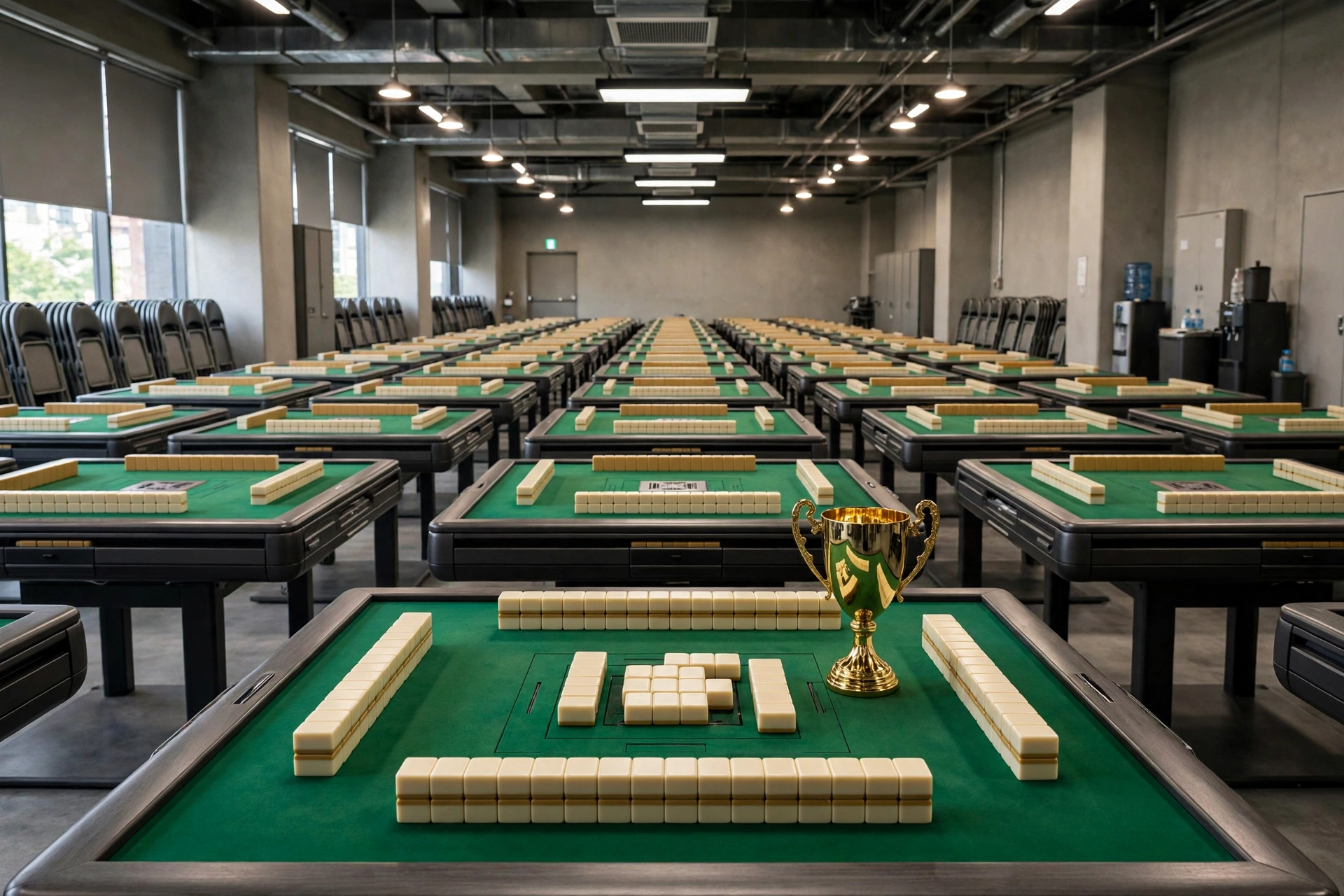
The Biggest Prize Ever Won at Mahjong (Is Smaller Than You Think)
No million-dollar mahjong payday exists. The richest verified prize in the game is about $330,000, and it went to a team of four in Tokyo. Here's why mahjong money works differently.
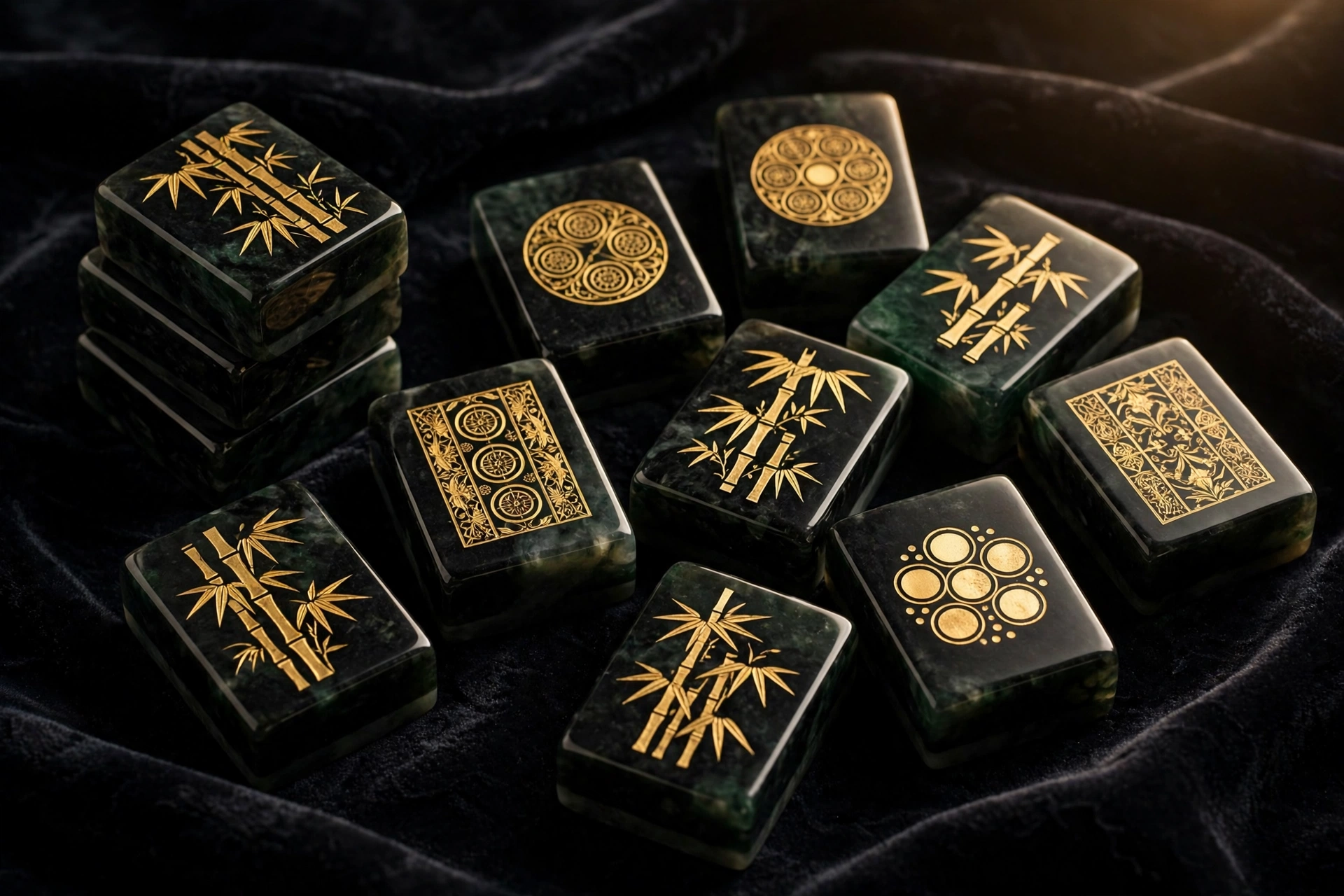
The $1.888 Million Mahjong Set, and What 'Expensive' Really Means
A one-of-one jadeite set in Singapore just reset the ceiling. Meanwhile a genuine 19th-century set might cost less than dinner. Both stories are true.